You spend forty-five minutes on your hair before leaving the house. By the time you reach your car, the frizz has already started. By noon, the blowout is a memory. By evening, you've given up entirely and pulled it back.
If this sounds familiar, you live in Miami. And you've probably tried every anti-frizz product, every smoothing treatment, and every "humidity-proof" spray that promised to hold up in tropical weather. Most of them failed. Not because they were bad products, but because they were formulated for a climate that doesn't exist here.
Miami's hair challenges are specific. The humidity is relentless — averaging 73% year-round, regularly exceeding 85% in summer — the UV exposure damages hair structure from the outside, and the salt air and chlorine strip moisture from the inside. Addressing one of these without the others is why most routines fall short.
Here's what actually works, why it works, and the products our team at Bay Harbor RX recommends for hair that lives in this climate.
Why Humidity Does What It Does to Your Hair
Understanding the science helps you stop fighting the wrong battle.
Hair is made of keratin, a protein held together by hydrogen bonds. These bonds are temporary and sensitive to moisture. When the air is dry, hydrogen bonds stay intact and your hair holds its shape. When humidity rises, water molecules in the air break and reform those bonds in new configurations. The result is frizz: your hair is literally reshaping itself in response to atmospheric moisture.
This is why a blowout that lasts three days in Denver lasts three hours in Miami. The air here contains so much water vapor that your hair is under constant pressure to absorb it and change shape.
The fix isn't sealing your hair in a shell of silicone — which creates buildup, weighs hair down, and eventually makes things worse. The fix is managing your hair's moisture balance so it doesn't need to pull water from the air.
The Humidity Hair Framework: Hydrate, Smooth, Protect
The most effective approach to humidity-proof hair works in three layers: internal hydration (so hair isn't thirsty for atmospheric moisture), surface smoothing (to seal the cuticle and reduce frizz entry points), and environmental protection (to defend against UV, salt, and chlorine).
Layer 1: Deep Hydration
Hair that's properly hydrated from within has less reason to absorb moisture from the air. This is the foundation. Skip it, and no amount of anti-frizz serum will save you.
Agent Nateur Hair (Silk) Peptides Soft Hydrating Hair Serum is one of the most elegant solutions we carry. Peptides strengthen the hair shaft while lightweight hydrating agents deliver moisture without heaviness. It absorbs quickly, doesn't leave residue, and creates a foundation of internal hydration that makes everything else you apply work better.
For curly and textured hair — which is more porous and therefore more reactive to humidity — Oolaboo Curlicious Argan Curl Refining Co-wash cleanses without stripping, while argan oil provides the lipid layer curls need to maintain definition in moisture-heavy air. At $50, it replaces both your shampoo and your frizz anxiety.
Layer 2: Smoothing and Sealing
Once hair is hydrated internally, the next step is closing the cuticle to prevent humidity from getting in.
Agent Nateur holi (locks) Bonding, Detangling, Anti-Hair Fall Serum does triple duty: it smooths the cuticle, strengthens bonds that humidity weakens, and reduces breakage from heat styling and environmental stress. Apply it to damp hair before drying and you'll notice the difference the first time you walk outside.
For straighter hair types that need serious frizz control, Oolaboo Straight Baobab Smooth Down Detangler uses baobab protein to smooth without stiffness. It's the kind of product that makes your hair feel like it's cooperating with the weather instead of fighting it.
Layer 3: Environmental Protection
UV radiation doesn't just damage your skin. It degrades the protein structure of your hair, breaks down color molecules, and weakens the cuticle layer that keeps moisture out. In Miami, your hair absorbs UV damage twelve months a year. Add salt water and chlorine to the equation, and you're dealing with cumulative structural damage that makes frizz progressively worse over time.
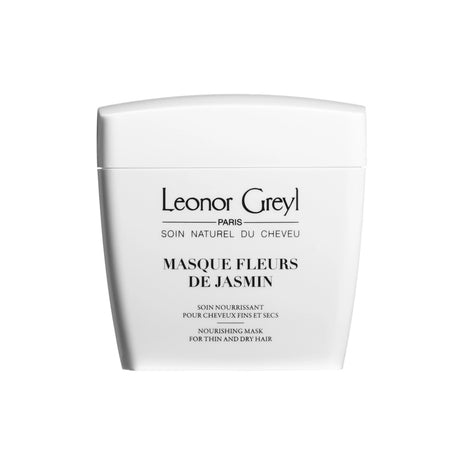
Leonor Greyl Soin Repigmentant Conditioner is a luxury option that protects color-treated hair from UV fading while nourishing with botanical extracts. At $65, it's the kind of product that justifies itself the first time your color survives a weekend at the beach.
Post-Beach Hair Recovery
Salt water is a paradox. It gives you those effortless beach waves everyone loves, and then it quietly desiccates your hair from the inside out. Salt draws moisture out of the hair shaft through osmosis. Chlorine strips natural oils. Sand causes micro-abrasion. And UV accelerates all of it.
If you spend any meaningful time at the beach or pool — and in Miami, you do — a post-exposure recovery protocol matters as much as your daily routine.
Step 1: Rinse immediately. Fresh water, before the salt or chlorine has time to crystallize on the hair shaft.
Step 2: Gentle, hydrating cleanse. Phyto Plage Rehydrating Shampoo was designed specifically for this. The "Plage" line (French for "beach") exists because the French understand that sun and salt require their own category of hair care. This shampoo removes salt and chlorine deposits while replenishing lost moisture. At $24, it earns its shelf space every weekend.
Step 3: Intensive repair. Once or twice a week after beach days, Phyto Plage Recovery Mask delivers concentrated repair to sun and salt-damaged hair. Leave it on for five minutes, rinse, and feel the difference immediately.
Step 4: Bond repair. For hair that's been through repeated chemical treatments, color services, and environmental assault, Olaplex No.3 Hair Perfector rebuilds the disulfide bonds that hold hair's structure together. Use it as a pre-shampoo treatment once a week. At $30, it's one of the most cost-effective investments in hair integrity.
Hair Type Matters More in Humidity
Not all hair reacts to Miami's climate the same way, and the products that work for one texture can fail completely for another.
Fine, straight hair tends to go limp and oily in humidity. The moisture in the air weighs it down, and the scalp overproduces oil in response to the heat. For this hair type, the priority is lightweight volume and oil control. Skip heavy oils and butters entirely. Focus on peptide-based serums (Agent Nateur Hair Silk) and volumizing products that won't collapse in the humidity.
Thick, wavy hair is the classic frizz battleground. The cuticle lifts easily in humid air, and the mix of wave patterns creates uneven moisture absorption that reads as puffiness and undefined texture. The smoothing and sealing layer is critical here. The Oolaboo Baobab Detangler combined with Agent Nateur holi (locks) gives you cuticle control without crunchiness.
Curly and coiled hair is the most porous and therefore the most reactive to humidity. But it's also the hair type that can benefit most from Miami's moisture if you work with it instead of against it. The co-wash approach (Oolaboo Curlicious) preserves natural oils while managing cleanliness. Deep hydration is non-negotiable. And the key insight: curly hair in humidity doesn't need less moisture. It needs the right moisture, delivered internally so it doesn't seek it from the air.
Color-treated hair faces a double challenge in Miami. UV radiation fades color faster here than almost anywhere else in the continental US, and salt water accelerates that process dramatically. The Leonor Greyl conditioner provides UV color protection, but the real defense is preventive: wear a hat on peak UV days, rinse hair with fresh water before entering salt water (pre-saturated hair absorbs less salt), and invest in a weekly bond-repair treatment like Olaplex No.3.
Between Washes: Managing Oil Without Stripping
Miami's humidity stimulates oil production on the scalp. Washing too frequently strips natural oils, triggering even more oil production in response. It's a cycle that leaves you oscillating between greasy and over-dried.
The solution: extend your wash cycle with a well-formulated dry shampoo, and resist the urge to wash daily.
Klorane Detox Dry Shampoo with Aquatic Mint absorbs excess oil at the root while aquatic mint purifies the scalp. No white residue, no heavy powdery buildup — just clean-feeling roots that buy you an extra day between washes. This is a pharmacy favorite for a reason.
For daily nourishment that doesn't add weight, Kérastase Nutritive Lait Vital is an incredibly light conditioning treatment that provides nutrition without the heaviness that humid-climate hair can't tolerate. It's the hair equivalent of a gel moisturizer for oily skin: all the benefit, none of the burden.
What Your Pharmacist Wants You to Know About Hair Care in Miami
A few things we tell customers that most hair blogs don't cover.
Your medications can affect your hair. Certain prescriptions — including some blood pressure medications, thyroid medications, hormonal treatments, and even common supplements — can change your hair's texture, oiliness, and growth patterns. If your hair has changed and you can't figure out why, bring your medication list to our pharmacy team. The answer might be pharmacological, not cosmetic.
Hard water compounds the problem. Miami's water is moderately hard. Mineral deposits from calcium and magnesium build up on the hair shaft over time, making it stiff, dull, and more reactive to humidity. A clarifying treatment once a month can make a measurable difference.
Heat tools need recalibrating. If you moved from a dry climate, the heat settings that worked there are probably too high here. Hair that's already swollen with ambient moisture is more vulnerable to heat damage. Lower the temperature by 20–30 degrees and you'll see less breakage with no loss in styling results.
The pharmacy connection is real. At Bay Harbor RX, we carry hair care products alongside your prescriptions, your supplements, and your skincare for a reason. Your hair health is connected to your overall health. A pharmacist who sees the complete picture can often spot connections that a hairstylist working in isolation would miss. Read more about how Miami's climate affects your skin as well.
Visit us at 9541 Harding Ave in Surfside, or schedule a consultation with our pharmacy team. Bring your hair concerns, your medication list, and your questions. We'll build a routine that holds up in this city.
Schedule a Consultation