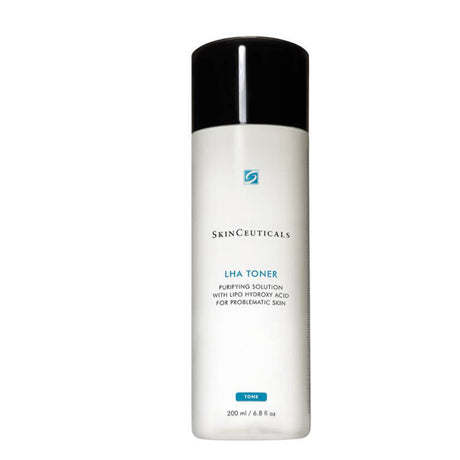
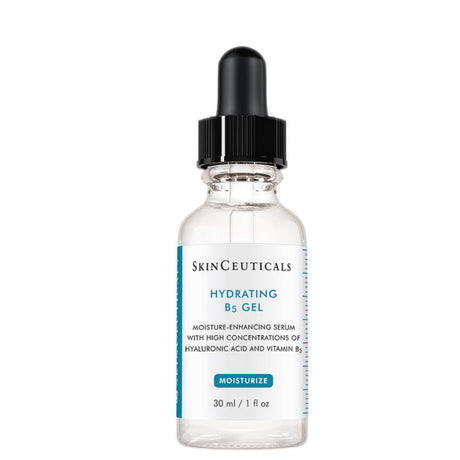
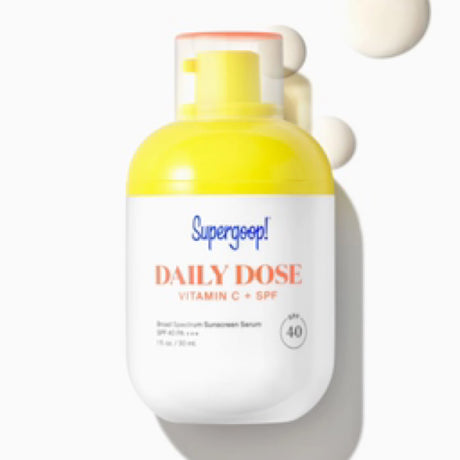
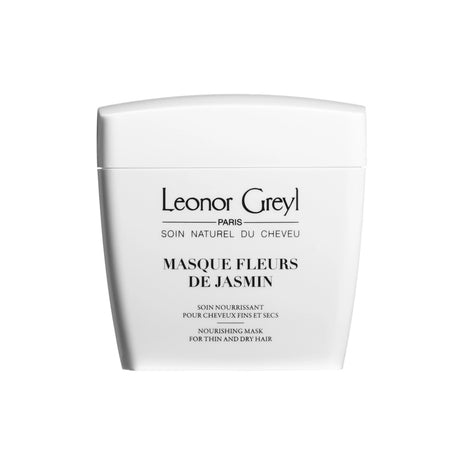
Somewhere between the TikTok skin cycling tutorial and the Reddit thread about "slugging," your bathroom shelf turned into a chemistry experiment. A vitamin C serum here, a glycolic acid toner there, a retinol you started last month, and a salicylic acid spot treatment you grabbed at the drugstore.
Individually, every one of those products might be excellent. Together? Some of them are actively working against each other. And a few combinations can leave your skin worse off than if you'd used nothing at all.
The frustrating part is that most skincare advice treats ingredients in isolation. A blog tells you retinol is the gold standard. Another says vitamin C is essential. A third says glycolic acid is a must. Nobody mentions what happens when you layer all three on the same face, on the same night.
That's the conversation a pharmacist has with you that a beauty advisor typically doesn't. At Bay Harbor RX, ingredient conflicts are one of the first things we screen for when reviewing a customer's skincare ritual. Here are the five most common conflicts we catch, and how to avoid them.
Conflict #1: Retinoids + AHA/BHA Exfoliating Acids
Why people combine them
Both are powerhouse ingredients. Retinoids accelerate cell turnover and stimulate collagen. AHAs (glycolic acid, lactic acid) and BHAs (salicylic acid) exfoliate dead skin and unclog pores. Using both seems like a fast track to smoother, clearer skin.
Why it backfires
Both ingredients challenge the skin barrier through different mechanisms, but the cumulative effect is the same: irritation, redness, peeling, and a compromised barrier that takes weeks to repair. The combination doesn't double your results. It overwhelms your skin's ability to recover between treatments.
This is the conflict we see most frequently at the pharmacy. Someone starts the ISDIN Isdinceutics Retinal Advanced Dual-Phase Night Serum — a potent retinaldehyde — while also using a glycolic acid toner three nights a week. Within two weeks, their skin is raw.
The pharmacist's fix: Alternate nights. Retinoid on Monday, Wednesday, Friday. Exfoliating acid on Tuesday and Saturday. Never the same evening. If you're new to retinoids, drop the exfoliating acid entirely for the first 6–8 weeks while your skin adjusts. The La Roche-Posay Retinol B3 Serum is a good starter specifically because it includes niacinamide, which buffers irritation and makes it more forgiving alongside other actives.
Conflict #2: Vitamin C + Certain Acids (The pH Problem)
Why people combine them
Vitamin C is an antioxidant that brightens and protects. AHAs exfoliate and resurface. Both target dullness and uneven tone. Layering them seems logical.
Why it backfires
This one is about chemistry — specifically pH. L-ascorbic acid (the most potent form of vitamin C) requires a low pH environment, typically around 2.5–3.5, to penetrate the skin effectively. AHAs also require a low pH. When you layer two low-pH products back to back, the combined acidity can irritate even resilient skin types. Worse, certain combinations can destabilize the vitamin C, reducing its antioxidant potency before it has a chance to work.
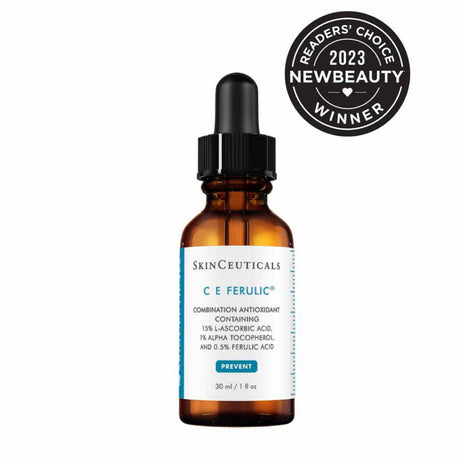
The ISDIN Flavo-C Vitamin C Serum and SkinCeuticals C E Ferulic are both potent, well-formulated vitamin C serums. They perform best applied to clean skin in the morning, followed by moisturizer and SPF. Adding an acid exfoliant to that same morning ritual is where trouble starts.
The pharmacist's fix: Morning is for antioxidants. Evening is for exfoliation. Apply your vitamin C serum after cleansing in the morning, let it absorb, then layer moisturizer and SPF. Save resurfacing treatments like the Malin+Goetz Resurfacing Face Serum for the evening. Separating by time of day eliminates the pH conflict entirely.
Conflict #3: Benzoyl Peroxide + Retinoids
Why people combine them
Benzoyl peroxide kills acne-causing bacteria. Retinoids prevent clogged pores and accelerate healing. For acne-prone skin, doubling up seems like the obvious move.
Why it backfires
Benzoyl peroxide is an oxidizing agent. Many retinoid molecules are sensitive to oxidation. When applied simultaneously to the same skin, benzoyl peroxide can deactivate certain retinoids on contact — neutralizing their benefits before they reach the deeper layers of skin where they do their work. You end up with the irritation of both products and the benefits of neither.
The pharmacist's fix: Time separation is the key. Use benzoyl peroxide in the morning as a short-contact treatment: apply, leave for 2–3 minutes, rinse, then continue your routine. Use your retinoid in the evening. If you're working with a compounding pharmacy like Bay Harbor RX, we can also discuss prescription formulations that combine complementary acne actives in a single, stable preparation — avoiding the layering conflict altogether.
Conflict #4: Multiple Exfoliants (The "More Is More" Trap)
Why people combine them
Your toner has glycolic acid. Your serum has lactic acid. Your mask has salicylic acid. Your weekly treatment has enzymes. You're not trying to over-exfoliate. You just bought products that each seemed individually appealing.
Why it backfires
Exfoliation is a dose-dependent intervention. A moderate amount improves texture, brightens tone, and clears congestion. Too much strips the lipid barrier, triggers inflammation, increases sensitivity, and paradoxically causes the very breakouts and dullness you were trying to fix. The skin's response to over-exfoliation looks remarkably similar to the problems exfoliation is supposed to solve — which leads people to exfoliate more, creating a damaging cycle.
The Agent Nateur holi (bright) Resurface Glass Face Mask is a beautifully formulated resurfacing treatment that delivers visible results. But it should be the exfoliating step in your ritual, not one of three. When we review a customer's products at Bay Harbor RX, we often find that 40–50% of their "non-exfoliating" products actually contain exfoliating acids buried in the ingredient list.
The pharmacist's fix: Audit your entire ritual. Read the ingredient lists, not just the front label. Count how many products contain glycolic acid, lactic acid, salicylic acid, mandelic acid, or enzymatic exfoliants. Then choose one. Use it at the frequency your skin tolerates — once or twice a week for most people, three times maximum for resilient skin types — and make sure everything else in your routine is supporting the barrier rather than challenging it further.
Conflict #5: Topical Skincare + Oral Medications (The Hidden One)
Why this gets missed
Because nobody is looking at both at the same time. Your dermatologist prescribes a topical retinoid. Your primary care doctor prescribes an antibiotic. Your beauty advisor recommends a vitamin C serum. Your wellness influencer suggests a supplement. Each person is working with their own slice of information, and nobody is cross-referencing the full picture.
Why it matters
Oral medications can alter your skin's behavior in ways that change how it responds to topical products. Photosensitizing medications — certain antibiotics, diuretics, antidepressants, NSAIDs — increase UV sensitivity, which compounds the photosensitizing effects of retinoids and exfoliating acids. Blood thinners can affect bruising and healing, relevant during aggressive exfoliation or post-procedure skincare. Hormonal medications shift oil production, which changes how your skin tolerates occlusive products and heavy actives.
This is the conflict that only a pharmacist catches, because a pharmacist is the only professional who routinely reviews both your prescription medications and your topical skincare. At Bay Harbor RX, this cross-reference is standard practice.
The pharmacist's fix: Bring your full medication list to your skincare consultation. Every prescription, every supplement, every OTC medication you take regularly. Our pharmacy team reviews it alongside your current skincare products and flags interactions before they become problems. It takes ten minutes and can save you months of irritation, wasted products, and unnecessary dermatologist visits.
How to Build a Conflict-Free Skincare Ritual
The simplest framework for avoiding ingredient conflicts: separate by function and time of day.
Morning (Protect and Defend): Gentle cleanser, vitamin C serum, lightweight moisturizer, SPF 50. No exfoliants, no retinoids, no actives that challenge the barrier. Morning is about defense.
Evening (Treat and Repair): Double cleanse to remove SPF and the day's debris, one active treatment (retinoid or exfoliating acid — never both on the same night), barrier-supportive moisturizer. Evening is about treatment and recovery.
For acne-prone skin that wants to address both breakouts and aging, SkinCeuticals Blemish + Age Defense is a smart evening option. It combines salicylic acid, glycolic acid, and citric acid in a single, pharmaceutically balanced formulation designed to work together rather than conflict — a case where a carefully engineered product eliminates the layering problem entirely. Use it on evenings when you're not using your retinoid.
Weekly (Targeted Boost): One to two nights per week, swap your regular active for a targeted treatment like the Agent Nateur Resurface Glass Face Mask or the Malin+Goetz Resurfacing Face Serum. Skip your retinoid that night.
The universal safety net: La Roche-Posay Niacinamide 10 Serum is the ingredient that plays well with almost everything. Niacinamide strengthens the barrier, calms inflammation, reduces redness, and refines pores — all without conflicting with retinoids, vitamin C, or exfoliating acids. If there's one active you can layer confidently into almost any routine, this is it.
And when in doubt about whether two products belong in the same ritual, Avène Tolerance Extremely Gentle Cleanser is the reset button. Zero fragrance, zero preservatives, zero irritants. When your skin is telling you something's wrong, strip back to this and rebuild from there.
The Bay Harbor RX Ingredient Review
Most of the ingredient conflicts in this article are entirely preventable. The problem isn't that the products are bad. The problem is that nobody reviewed the full picture before everything ended up on the same face.
That's what we do at Bay Harbor RX. Bring us your products — all of them, including the ones you forgot about in the back of the cabinet — your medication list, and your skin concerns. We'll identify what's working, what's conflicting, and what's missing. Then we'll build a ritual where every product has a job, a place in the sequence, and zero conflicts with its neighbors.
It takes one visit. And it's the kind of guidance you can only get from a place that understands both pharmacy and beauty. Read more about how we approach retinoid recommendations and medical-grade vs. OTC skincare.
Visit us at 9541 Harding Ave in Surfside, or schedule a consultation with our pharmacy team. Bring your products, your medications, and your questions. We'll sort it all out.
Schedule a Consultation