Medical-Grade vs. Over-the-Counter Skincare:
What Your Pharmacist Wants You to Know
The difference isn't just price. It's concentration, delivery, and having someone who sees the full picture.

You've probably stood in front of a skincare shelf — whether at Sephora, a department store, or yes, a pharmacy — and wondered whether the $189 serum is actually doing something the $17 one isn't.
It's a fair question. The ingredient lists can look strikingly similar. The promises on the packaging sound nearly identical. And the internet is full of people insisting that their drugstore finds perform just as well as anything a dermatologist recommends.
As pharmacists, we hear this question constantly. And the honest answer isn't as simple as "expensive is better." The answer is more nuanced, more useful, and, once you understand it, empowering.
Here's what actually separates medical-grade skincare from over-the-counter products, why the distinction matters for certain skin concerns, and when OTC is perfectly fine. No hype. Just the pharmacist's perspective.
What "Medical-Grade" Actually Means
The term gets thrown around loosely in beauty marketing, but it has real, measurable distinctions. Medical-grade skincare products — sometimes called professional-grade or pharmaceutical-grade — differ from over-the-counter products in three specific ways.
Higher Active Ingredient Concentrations
A drugstore retinol serum might contain 0.025% to 0.1% retinol. Enough to market the ingredient on the label, but often not enough to deliver the clinical results you're hoping for. A medical-grade formulation like the ISDIN Isdinceutics Retinal Advanced Dual-Phase Night Serum uses retinal (retinaldehyde), a more potent form of vitamin A that converts to retinoic acid in fewer metabolic steps. The result is measurably faster action at concentrations you won't find at a mass retailer.
The same principle applies across every major active. Vitamin C, niacinamide, peptides, exfoliating acids. They all perform differently at clinically validated concentrations versus the lower levels found in most OTC formulations.
Advanced Delivery Systems
Having the right ingredient at the right concentration is only part of the equation. That ingredient needs to actually reach the right layer of your skin.
Medical-grade products invest heavily in delivery technology: encapsulation, pH optimization, time-release mechanisms, and penetration enhancers that help active ingredients pass through the skin barrier and reach the dermis — the deeper layer where collagen and elastin are produced.
Many OTC products lack this technology. Their actives may sit on the skin's surface, providing some superficial benefit but never reaching the cellular level where they could make a lasting difference. Like having the right key but no way to reach the lock.
Pharmaceutical-Quality Manufacturing
Medical-grade lines are produced under stricter quality controls with higher-purity raw ingredients and more rigorous stability testing. This matters more than you'd think.
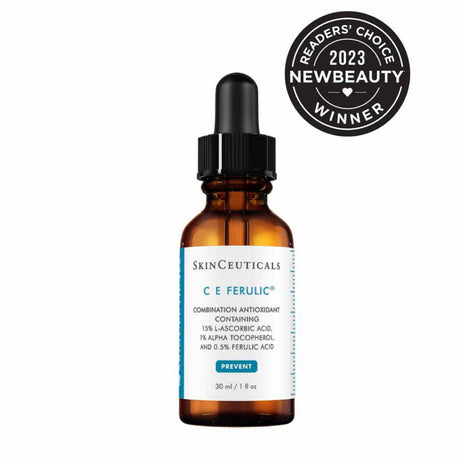
Take vitamin C: it's notoriously unstable. An improperly formulated or poorly stabilized vitamin C serum will oxidize quickly, turning brown in the bottle and becoming ineffective on your skin, regardless of its original concentration. A product like SkinCeuticals C E Ferulic has been patented specifically for its synergistic formulation of 15% L-ascorbic acid, 1% vitamin E, and 0.5% ferulic acid at a precise pH that maximizes both stability and penetration. That level of pharmaceutical rigor is what justifies the investment.
The Three Things Your Pharmacist Checks That a Beauty Advisor Can't
This is where Bay Harbor RX's approach diverges from what you'll experience at a beauty counter or online retailer. When our pharmacist, Adam Hasid, recommends a skincare product, the conversation goes beyond skin type and aesthetic goals. Here's what else gets factored in.
Your Current Medications
Certain medications change how your skin reacts to topical ingredients, and not always in obvious ways. Oral retinoids, blood thinners, photosensitizing antibiotics, hormonal medications, and even some common supplements can alter your skin's sensitivity, healing capacity, and tolerance for active ingredients.
A beauty advisor at a department store isn't trained to screen for these interactions. A pharmacist is. It's the same clinical skill set we apply to prescription medications — except now we're applying it to the products you put on your face.
Ingredient Conflicts in Your Existing Routine
Most people's skincare shelves are a patchwork of products from different brands, recommended by different sources, with no one looking at how they interact together. Layering certain actives — retinoids with AHAs, benzoyl peroxide with vitamin C — can cause irritation, deactivate ingredients, or compromise your skin barrier.
When we build a skincare ritual at Bay Harbor RX, we review everything you're using and flag conflicts before they become problems. Think of it as a medication therapy review, but for your vanity.
Your Full Health Profile
Your skin doesn't exist in isolation from the rest of your body. Hormonal changes, nutritional deficiencies, chronic conditions, stress levels, and yes, the medications you take for all of it — these factors shape how your skin behaves and what it needs.
A pharmacist sees the complete picture. That's why our recommendations tend to be more precise, more effective, and less likely to cause unwanted reactions.
When Over-the-Counter Is Perfectly Fine
Here's something we tell customers all the time, and it surprises them: not everything in your skincare ritual needs to be medical-grade.
Cleansers are the clearest example. A gentle, well-formulated cleanser's primary job is to remove impurities without stripping your skin barrier. The Vanicream Gentle Facial Cleanser does this beautifully at $13.99: no fragrance, no sulfates, no irritants. There's no clinical reason to spend more on a cleanser if the formula respects your skin.
Thermal water sprays are another category where OTC excels. Avène Thermal Spring Water is soothing, anti-irritating, and perfect for calming skin after a procedure or between active steps in your ritual.
Basic moisturizers for non-targeted hydration, gentle makeup removers, and simple SPF for low-exposure days — these don't always require pharmaceutical-grade formulations to be effective.
OTC products work well for maintenance, protection, and gentle care. Medical-grade products are where you turn when you want to actively change something: reduce hyperpigmentation, reverse photodamage, rebuild collagen, or treat acne at its source.
Where Medical-Grade Makes a Measurable Difference
Sun damage and hyperpigmentation. Miami's UV index demands more than basic sun protection. The ISDIN Eryfotona Ageless Ultralight Emulsion delivers broad-spectrum SPF 50+ with DNA Repairsomes — enzymes that actively repair existing UV damage while protecting against new exposure.
Fine lines, texture, and collagen loss. The La Roche-Posay Retinol B3 Serum is an excellent entry point — potent enough to deliver real retinol benefits while incorporating niacinamide to minimize irritation.
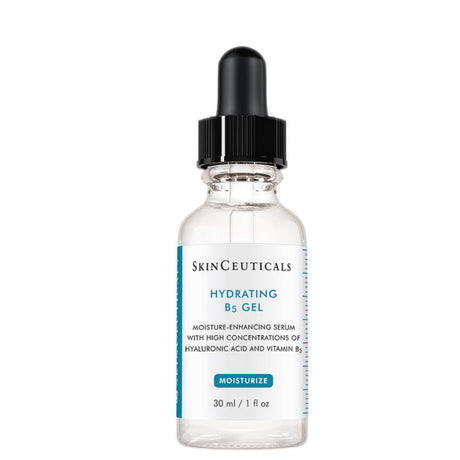
Barrier repair and deep hydration. SkinCeuticals Hydrating B5 Gel combines pharmaceutical-grade hyaluronic acid with vitamin B5 to restore hydration at the dermal level. It's the kind of product that makes everything else in your ritual work better.
Inflammation and sensitivity. The La Roche-Posay Niacinamide 10 Serum delivers a clinical concentration of niacinamide to calm inflammation, refine pores, and strengthen the skin's natural defenses.
The Bay Harbor RX Approach: Science First, Then Beauty
At most beauty retailers, the conversation starts with "what's your skin type?" and ends with a product recommendation based on what's on the shelf.
At Bay Harbor RX, the conversation starts differently. We ask what medications you're taking. We ask about your health history. We look at what you're already using and identify what's working, what's conflicting, and what's missing. Then we build a regimen — not from a marketing playbook, but from a pharmacist's understanding of how ingredients interact with your body.
It's the European pharmacy model we've practiced since 1970: personal, science-first, and built around you specifically.
Ready to have the conversation? Visit us at 9541 Harding Ave in Surfside, or schedule a consultation with our pharmacy team. We'll review what you're using, what your skin needs, and build a ritual that works — for your skin, your health, and your life in Miami.
Schedule a Consultation