If you moved to Miami from anywhere north of the Carolinas, you've probably noticed something unsettling about your skincare: it stopped working.
The moisturizer that kept your skin dewy in New York feels suffocating here. The matte foundation you relied on in Chicago slides off by noon. The gentle retinol that never caused a problem in San Francisco suddenly leaves you red and blotchy after twenty minutes in the sun.
You're not imagining it. Your skin is behaving differently because the environment is fundamentally different. And most skincare advice, most product recommendations, and most routines floating around the internet were designed for temperate climates. Not for a place where the UV index hits extreme levels over 200 days a year and the humidity rarely drops below 70%.
At Bay Harbor RX, we've been helping Miami residents solve this exact problem since 1970. Here's what your skin actually needs in a subtropical climate, and why the rules are different here.
Why Your Northern Skincare Routine Fails in Miami
The three environmental factors that change everything about skincare in South Florida are humidity, ultraviolet radiation, and salt air. Each one shifts what your skin requires, and together they create a set of conditions that most mainstream skincare brands don't specifically address.
Humidity and Your Skin Barrier
Miami's average humidity hovers around 73% year-round. In summer, it regularly exceeds 85%. This isn't just a comfort issue. It changes the way your skin functions at a cellular level.
In humid environments, your skin's transepidermal water loss (TEWL) decreases. That sounds like good news, and in some ways it is: your skin holds onto moisture more easily. But it also means that heavy, occlusive moisturizers — the ones that work beautifully in dry climates — can trap excess moisture against the skin, creating a breeding ground for congestion, breakouts, and milia.
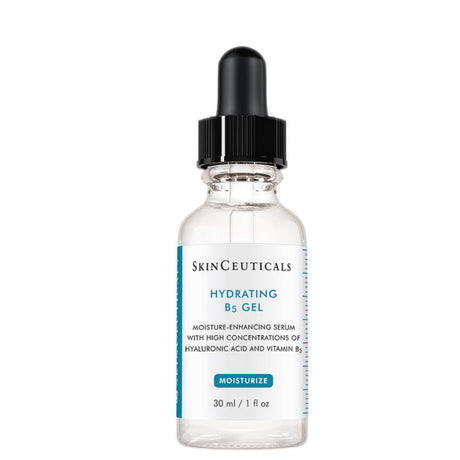
The solution isn't to skip moisturizer. It's to switch the texture. Gel-based and fluid-weight hydrators deliver the active ingredients your skin needs without the occlusive heaviness it doesn't. SkinCeuticals Hydrating B5 Gel is a perfect example: pharmaceutical-grade hyaluronic acid combined with vitamin B5 in a lightweight gel that actually works with Miami's humidity instead of against it.
For everyday hydration that won't weigh you down, Avène Hydrance Optimale Light Hydrating Cream offers a specifically light-textured formula designed for skin that doesn't need heavy intervention. And Embryolisse Lait Crème Fluid, the fluid version of the cult-favorite French moisturizer, delivers a clean, breathable layer that doubles as a primer. At $17.99, it's one of the smartest everyday moisturizers for this climate.
UV Exposure: A Year-Round Conversation
This is where living in Miami raises the stakes for your skin.
The UV index in South Florida reaches "very high" (8–10) or "extreme" (11+) for roughly seven months of the year. Even in December and January, it regularly sits at moderate to high levels. Compare that to cities like Boston, Seattle, or London, where the UV index barely cracks "moderate" for most of the year.
What this means for your skin: the cumulative UV damage you experience living in Miami is dramatically higher than what someone in a northern city faces. Hyperpigmentation, photoaging, collagen breakdown, and increased skin cancer risk are not abstract concerns here. They are the direct, measurable consequences of living under this sun without adequate protection.
And "adequate protection" in Miami means something different than it does elsewhere. SPF 30 applied once in the morning is not enough. You need broad-spectrum SPF 50, applied generously, and reapplied every two hours of sun exposure — more frequently if you're swimming or sweating.
ISDIN Eryfotona Ageless Ultralight Emulsion SPF 50+ is the gold standard in our pharmacy for a reason. It's ultralight, broad-spectrum, and contains DNA Repairsomes — enzymes that help repair existing UV damage while protecting against new exposure. Spain's top sun care brand developed this specifically for high-UV climates. It was built for a place like Miami.
For daily wear when you want something even more effortless, ISDIN Fusion Water Magic SPF 40 has a water-like finish that absorbs instantly and layers invisibly under makeup. At $39, it's the SPF people actually reach for every morning because it doesn't feel like a chore.
For midday touch-ups without disrupting your makeup, the Avène Haute Protection Tinted Compact is a pharmacist favorite. Tinted SPF in a compact you can carry in your bag, apply in thirty seconds, and forget about. Reapplication solved.
Salt Air, Chlorine, and Sand
If you live near the water — and in Miami, most of us do — your skin is regularly exposed to salt, chlorine, and fine sand particulate. The cumulative effect is real: a gradually compromised skin barrier that becomes more reactive, more dehydrated, and less able to hold onto moisture.
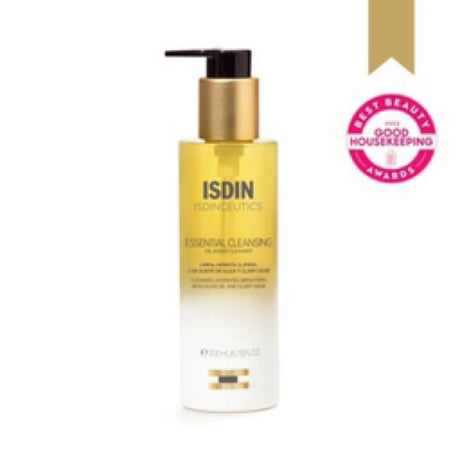
The fix starts with thorough, gentle cleansing. A proper double cleanse at the end of a beach day removes sunscreen, salt, and debris without adding insult to injury. Start with the ISDIN Isdinceutics Essential Cleansing Oil, which dissolves waterproof sunscreen and impurities effectively without stripping. Follow with the Malin+Goetz Grapefruit Face Cleanser, a gentle gel formula that leaves skin clean and balanced.
After cleansing, calm and repair. Avène Thermal Spring Water is a $9 mist that works harder than its price suggests. Spritz it on sun-warmed, salt-exposed skin for immediate soothing. For skin that's been battered by a full day of sun and salt, La Roche-Posay Cicaplast Balm B5 is a barrier-repair workhorse. At $17.99, it belongs in every beach bag.
The Pharmacist's Miami Skincare Framework
Based on what we see daily at Bay Harbor RX, here's how to structure a skincare ritual that works in this climate. Not a 12-step routine. A focused, effective framework built for subtropical living.
Morning Ritual
Step 1: Gentle cleanse. Wash away overnight oils without stripping. The Malin+Goetz Grapefruit Cleanser or a simple micellar water works perfectly.
Step 2: Lightweight hydration. Gel or fluid texture. SkinCeuticals Hydrating B5 if you want hyaluronic acid working with the humidity. Embryolisse Lait Crème Fluid if you want a clean, priming layer.
Step 3: SPF. Non-negotiable. ISDIN Eryfotona Ageless for full protection, or Fusion Water Magic for everyday elegance. Reapply every two hours if you're outdoors.
Evening Ritual
Step 1: Double cleanse. Oil cleanser first (ISDIN Essential Cleansing Oil) to dissolve sunscreen. Gel cleanser second (Malin+Goetz) to clean the skin itself.
Step 2: Active treatment. This is when your retinoid, vitamin C, or exfoliating acid goes on. Your pharmacist can help you choose the right active and confirm it doesn't conflict with anything else you're using or taking.
Step 3: Repair and hydrate. Avène Hydrance Light or, on stressed-skin days, La Roche-Posay Cicaplast B5 for targeted barrier repair.
Post-Beach Protocol
After any significant sun or saltwater exposure: rinse with fresh water, double cleanse, mist with Avène Thermal Spring Water, apply Cicaplast B5, and skip any active treatments for the evening. Let your skin recover before asking it to work harder.
What Your Pharmacist Wants You to Know About Skincare in Miami
A few things we find ourselves repeating to customers, because they matter more here than anywhere else.
Your medications interact with the sun. Common prescriptions — including certain antibiotics, diuretics, retinoids, and some antidepressants — increase photosensitivity. If you're taking any medication and living under Miami's UV index, your pharmacist should be reviewing your sun protection strategy alongside your prescriptions. This is exactly what we do at Bay Harbor RX.
"Waterproof" SPF isn't permanent. Water-resistant sunscreen maintains its SPF for 40 to 80 minutes in water, depending on the formulation. After that, you need to reapply. Every time. The label says it clearly. Most people ignore it.
Humidity doesn't replace moisturizer. Your skin still needs active hydrating ingredients (hyaluronic acid, glycerin, niacinamide) and barrier-supporting lipids (ceramides, squalane). You just need them in lighter vehicles — gel textures, fluid emulsions, and water-based serums.
The air conditioning factor. You might spend eight to ten hours a day in aggressively air-conditioned spaces. AC strips moisture from the air, creating a micro-desert for your skin even in the most humid city in America. A midday mist (Avène Thermal Water) and a desk-side humidifier go a long way.
Seasonal shifts still matter, even here. Miami doesn't have dramatic seasons, but your skin notices the difference between July (90%+ humidity, extreme UV) and January (lower humidity, drier indoor air, slightly reduced UV). Your summer ritual should lean lighter and more protective. Your winter ritual can incorporate slightly richer textures and more aggressive actives like retinoids, which perform better when UV exposure is lower.
Your skincare ritual should reflect where you live, not where the brand that made it is headquartered. In Miami, that means lighter textures, serious sun protection, post-exposure repair, and a pharmacist who understands how this climate, your medications, and your skin interact.
That's what Bay Harbor RX is here for. Come in and let us build something that works for your life in this city. Visit us at 9541 Harding Ave in Surfside, or schedule a consultation with our pharmacy team.
Schedule a Consultation