Retinoids are the most studied, most recommended, and most misunderstood category of active ingredient in skincare. Dermatologists call them the gold standard for a reason: decades of clinical research confirm that retinoids reduce fine lines, fade hyperpigmentation, improve texture, regulate oil production, and stimulate collagen synthesis at the cellular level.
And yet, retinoids are also the ingredient people are most likely to abandon after two weeks of irritation, peeling, and frustration. Not because the ingredient doesn't work, but because they started wrong, picked the wrong formulation, or didn't account for what else they were putting on — or into — their body.
This is exactly where a pharmacist's perspective changes the outcome. At Bay Harbor RX, retinoid recommendations don't start with "what strength do you want?" They start with a set of questions most skincare retailers never think to ask.
Retinol, Retinal, Tretinoin: The Differences That Actually Matter
The word "retinoid" refers to the entire family of vitamin A derivatives used in skincare. But the members of that family are not interchangeable, and understanding the hierarchy helps you make a smarter choice.
Retinol is the most common over-the-counter form. Your skin has to convert retinol through two metabolic steps before it becomes retinoic acid — the form that actually changes your skin at a cellular level. This conversion process is slow and inefficient, which is why OTC retinol products are gentler but also slower to deliver visible results.
Retinaldehyde (retinal) is one conversion step closer to retinoic acid than retinol. That single step makes a significant difference in potency and speed of results. Clinical studies show retinaldehyde delivers efficacy closer to prescription tretinoin while maintaining better tolerability. The ISDIN Isdinceutics Retinal Advanced Dual-Phase Night Serum uses this form — one of the most sophisticated retinoid formulations we carry. The dual-phase delivery system separates the retinaldehyde from the supporting ingredients until the moment of application, preserving stability and maximizing potency. For patients who want prescription-level results without a prescription, this is the formulation our pharmacy team reaches for.
Tretinoin (retinoic acid) is the prescription-strength form. No conversion required — your skin uses it directly. It's the most potent, the fastest-acting, and also the most likely to cause irritation if not introduced properly. As a compounding pharmacy, Bay Harbor RX can prepare custom-strength tretinoin formulations tailored to a patient's specific tolerance and skin type.
The practical takeaway: retinol for cautious beginners, retinaldehyde for experienced users who want more, tretinoin for those working with a prescriber who wants maximum clinical effect. The right choice depends on your skin, your goals, and what else you're using or taking.
The Five Things Your Pharmacist Reviews Before Recommending One
Here's where the conversation at Bay Harbor RX differs from the one you'll have at a beauty counter. Before recommending any retinoid, our pharmacist reviews five things.
1. Your Current Medications
This is the check that only a pharmacist makes. Certain oral medications increase your skin's sensitivity in ways that change how you should approach retinoids.
Oral retinoids like isotretinoin (Accutane) are the most obvious conflict — adding a topical retinoid creates a cumulative dose that can cause severe irritation, peeling, and barrier damage. Less obvious but equally important: photosensitizing medications. Antibiotics like doxycycline and tetracycline, certain diuretics, some antidepressants, and even St. John's Wort can increase UV sensitivity. Since retinoids also increase photosensitivity, the combination amplifies your risk of sun damage — especially in a high-UV environment like Miami.
A beauty advisor doesn't have access to your medication list. A pharmacist does, and knowing what you're taking is the first step in recommending the right retinoid at the right strength.
2. Your Existing Skincare Routine
Retinoids don't exist in isolation. What you're layering with them matters enormously.
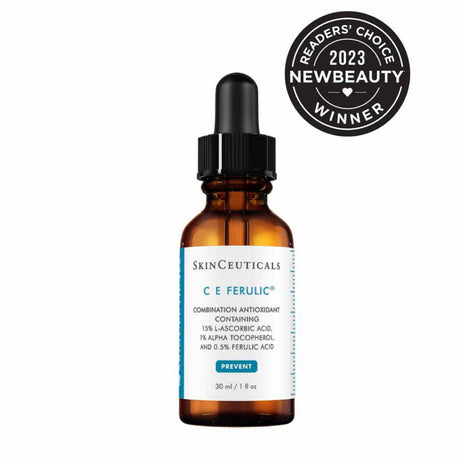
AHAs and BHAs (glycolic acid, salicylic acid, lactic acid) combined with retinoids in the same routine can overwhelm the skin barrier. Benzoyl peroxide can actually deactivate certain retinoid molecules on contact. Vitamin C serums have different pH requirements than retinoids — layering them simultaneously can reduce the effectiveness of both. The standard recommendation is vitamin C in the morning, retinoid in the evening.
At Bay Harbor RX, we review your full product lineup before adding a retinoid. If we spot a conflict, we restructure your ritual so everything works together instead of against each other.
3. Your Sun Exposure Habits
In Miami, this conversation is non-negotiable. Retinoids increase photosensitivity. Miami's UV index is extreme for most of the year. If you're not committed to daily broad-spectrum SPF 50 with disciplined reapplication, a retinoid can do more harm than good.
We pair every retinoid recommendation with a sun protection strategy. ISDIN Eryfotona Ageless Ultralight Emulsion SPF 50+ is our standard pairing — lightweight enough for daily wear in humidity, broad-spectrum, and containing DNA Repairsomes that help repair existing UV damage. Retinoid without SPF in this city is a recipe for hyperpigmentation, not a cure for it.
4. Your Skin's Current Condition
A healthy, intact skin barrier can handle a retinoid introduction. A compromised barrier cannot. If your skin is already irritated, dehydrated, reactive, or recovering from a procedure, starting a retinoid will make things worse, not better.
This is why barrier assessment comes before any retinoid conversation. If your barrier needs work first, we'll focus there. La Roche-Posay Cicaplast Balm B5 is a reliable barrier-repair product we recommend for prepping skin that isn't quite ready for actives. Panthenol, madecassoside, and a mineral complex calm irritation and rebuild barrier integrity. Once your barrier is solid, you're ready.
5. Your Goals and Timeline
Not everyone needs a retinoid, and not everyone needs the strongest one available. If your primary concerns are mild texture irregularities and you're looking for gradual improvement, a well-formulated retinol like the La Roche-Posay Retinol B3 Serum may be the perfect fit. It combines retinol with niacinamide (vitamin B3), which buffers irritation while delivering its own brightening and barrier-supporting benefits. At $46.99, it's an accessible entry point our pharmacy team recommends frequently for first-time retinoid users.
If your goals are more aggressive — deeper wrinkles, pronounced hyperpigmentation, acne scarring — the ISDIN Retinal serum or a compounded tretinoin prescription will get you there faster, but with a more involved adjustment period that benefits from professional guidance.
The "Start Low, Go Slow" Protocol
Regardless of which retinoid you choose, the introduction protocol matters as much as the product itself. Jumping straight to nightly application is the single most common mistake people make, and it's the reason most people quit retinoids before seeing results.
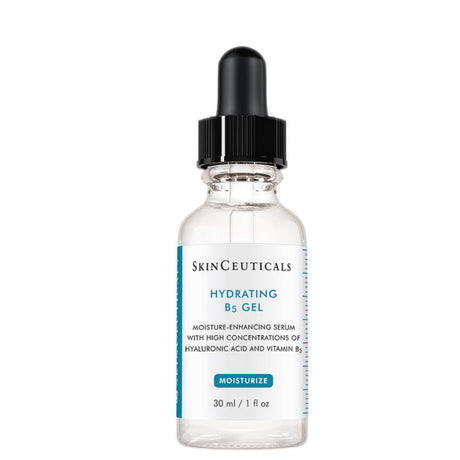
Weeks 1–2: Apply your retinoid once every three nights, in the evening after cleansing. Follow with a hydrating, barrier-supportive product. SkinCeuticals Hydrating B5 Gel is an excellent pairing: pharmaceutical-grade hyaluronic acid and vitamin B5 deliver hydration at the dermal level without interfering with the retinoid's activity.
Weeks 3–4: If your skin is tolerating it well (no persistent redness, peeling, or stinging), increase to every other night.
Weeks 5–8: Gradually move to nightly application if tolerated. Some people never need to go nightly, and that's fine. More frequent doesn't always mean more effective.
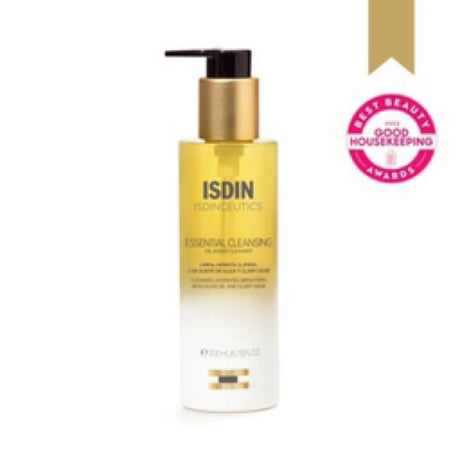
Throughout: SPF every single morning. No exceptions. And on mornings after retinoid application, consider a gentler cleanser. Avène Tolerance Extremely Gentle Cleanser is designed for reactive and intolerant skin — zero fragrance, zero preservatives, and a formula gentle enough to use even when your skin is adjusting to a new active.
The adjustment period is real. Mild flaking, slight tightness, and temporary sensitivity are normal during the first 4–6 weeks. This is your skin adapting to accelerated cell turnover. If you experience persistent burning, cracking, or severe irritation, scale back or pause. Your pharmacist can help you troubleshoot.
When Compounding Makes Sense
One of the advantages of working with a pharmacy like Bay Harbor RX is access to compounding. Not everyone fits neatly into the concentrations available off the shelf.
If you need tretinoin at a specific strength that isn't commercially available, or if you need it combined with other actives (niacinamide, hyaluronic acid, azelaic acid) in a single formulation to simplify your routine, our compounding team can prepare that. Custom-strength retinoid formulations allow for precise dose titration — meaning you can start at an unusually low concentration and increase incrementally based on how your skin responds.
This is especially valuable for patients with rosacea, eczema, or extreme sensitivity who want retinoid benefits but can't tolerate standard commercial formulations.
The Supporting Cast: What to Use Alongside Your Retinoid
A retinoid doesn't work alone. The products you pair with it determine whether you see results or side effects. Here's what our pharmacists consider essential alongside any retinoid.
A nighttime antioxidant. While your retinoid handles cell turnover and collagen stimulation, SkinCeuticals Resveratrol B E works overnight to neutralize free radicals and support the skin's natural repair process. Apply it before your retinoid, let it absorb, then layer the retinoid on top.
A barrier-supportive moisturizer. Hydrating B5, Cicaplast B5, or any ceramide-rich formula that reinforces the barrier your retinoid is actively challenging. Your skin needs support while it adapts.
SPF 50, daily. In Miami, this is non-negotiable. We've said it before. It bears repeating.
The Bay Harbor RX Retinoid Consultation
Starting a retinoid is one of the most impactful decisions you can make for your skin. It's also one where professional guidance makes the biggest difference between success and frustration.
At Bay Harbor RX, a retinoid consultation includes a full medication review, an assessment of your current skincare routine, barrier evaluation, and a customized introduction protocol with specific product recommendations. If compounding is appropriate, we can discuss custom formulations tailored to your tolerance and goals.
This is what a concierge pharmacy does that a beauty retailer can't. We see the full picture: your prescriptions, your skin, your lifestyle, and the Miami sun that changes the equation for everything. Read more about how we approach medical-grade vs. OTC skincare.
Ready to start? Visit us at 9541 Harding Ave in Surfside, or schedule a consultation with our pharmacy team. We'll review your medications, assess your skin, and build a retinoid protocol that works — without the frustration.
Schedule a Consultation